Strength training is the best investment you can make in your health
Resistance training doesn't just build muscle. It builds bones, Slows and reverses osteoporosis, preserves independence, and fundamentally changes how you age. At OSO Physical Therapy, we meet you where you are and build a plan that lasts a lifetime. Move Better. Feel Better.
1-3% Annual Increase in Bone Density
Consistent progressive resistance training produces measurable gains in bone density, particularly at the hip and spine, the most critical fracture sites in older adults. Kohrt et al., Medicine & Science in Sports & Exercise (ACSM), 2004
40% Reduction in Fall Risk
Structured strength and balance training reduces fall risk by up to 40% in older adults and is one of the most significant preventive interventions available. Sherrington et al., British Journal of Sports Medicine (Cochrane Review), 2019
23% Reduction in All Cause Mortality
Regular muscle-strengthening activity is independently associated with a 23% reduction in all-cause mortality, regardless of aerobic activity levels. Stamatakis et al., British Journal of Sports Medicine, 2018
Why is Resistance Training so Important for Healthy Aging?
Live Life to the Fullest
Decades of peer-reviewed research converge on a clear answer: progressive resistance training is among the most powerful tools available for extending healthspan (the years of life spent in good health). Adults lose 3–8% of muscle mass per decade after age 30, a process called sarcopenia. After 60, this accelerates significantly. Resistance training directly counteracts this loss, improves neuromuscular function, and preserves metabolic health throughout aging. (Westcott WL, ACSM Current Sports Medicine Reports, 2012) Progressive overload (gradually increasing the demand placed on the musculoskeletal system) is the stimulus that drives bone remodeling and density gains. Loading bones above habitual levels signals osteoblasts to lay down new bone matrix, a process governed by Wolff's Law. (APTA Physical Activity Clinical Practice Guideline, 2021) Resistance training also improves insulin sensitivity, reduces visceral fat, and lowers cardiovascular risk factors independently of aerobic exercise. The American College of Sports Medicine recommends strength training at least 2 days per week for all healthy adults and the research supporting this guidance continues to grow. (Garber CE et al., ACSM Position Stand, Med Sci Sports Exerc, 2011)
Your Bones Want You to Lift Weights
Bone is living tissue. It remodels constantly and it responds directly to mechanical stress. Resistance training is one of the few interventions proven to increase bone mineral density in adults, at the sites that matter most.
BONE HEALTH FACTS:
1–3% per year Bone density gains with consistent strength training
Consistent resistance training at adequate load (60–85% of 1 rep max) produces measurable bone density increases at the hip and spine — the two most critical fracture sites in older adults. Source: Kohrt et al., ACSM, 2004; JOSPT Osteoporosis CPG, 2021
Wolff's Law Bone adapts to mechanical stress
Julius Wolff's foundational principle states that bone adapts its structure in response to load. Weight-bearing and axial loading exercises (squats, deadlifts, carries) directly stimulate this remodeling. Source: JOSPT Clinical Commentary on Bone Adaptation, 2018
20–30% One-year mortality risk after hip fracture in older adults
Hip fractures are a leading cause of functional decline and death in adults over 65. Exercises targeting the femoral neck and lumbar spine directly address the most clinically important fracture sites. Source: National Osteoporosis Foundation; ACSM, 2022
~16 weeks Time to measurable bone adaptation
Research shows measurable increases in bone density with 12–16 weeks of progressive resistance training and continued gains with ongoing, consistent training. Starting now matters. Source: Watson et al., Journal of Bone and Mineral Research, 2019
2–3 sessions/week Minimum effective dose for bone health
ACSM guidelines and JOSPT clinical practice guidelines for osteoporosis agree: 2–3 sessions per week of progressive resistance training is the minimum effective stimulus for bone health outcomes in adults. Source: JOSPT Osteoporosis CPG; ACSM Position Stand, 2011
Load intensity matters Heavier loads drive greater bone adaptation
Low-load training builds endurance but has limited effect on bone. Bone osteogenesis responds to high mechanical strain. This means progressively heavier loads with appropriate guidance produce the greatest density gains. Source: NASM Essentials of Personal Fitness Training, 7th Ed., 2022
Optimal Programming Matters
The following 3-day-per-week program reflects evidence-based principles for healthy aging adults: emphasis on compound, multi-joint movements with progressive overload and axial loading for bone health. This is not an exercise prescription, nor is it medical advice. Please consult one of our specialists or another qualified healthcare professional prior to beginning an exercise program. All programs at OSO are individually tailored based on your assessment, history, and goals. Sources: ACSM Position Stand (Garber et al., 2011); NASM Optimum Performance Training, 7th Ed.; JOSPT Osteoporosis CPG, 2021.
Goblet Squat
[Quads · Glutes · Spine]
3 × 8–10
65–75% 1RM
Axial load through spine and hip
Romanian Deadlift
[Hamstrings · Glutes · Erectors]
3 × 8
70–80% 1RM
Targets hip extensor chain; critical for hip fracture prevention
Step-Up with Load
[Glutes · Quads · Balance]
3 × 8 each side
Moderate Load
Unilateral loading plus impact stress
Overhead Press (DB)
[Shoulders · Triceps · Core]
3 × 10–12
65–75% 1RM
Improves posture and scapular control; loads Arms, Shoulders, Torso
Bent-Over Row (DB)
[Lats · Rhomboids · Biceps]
3 × 8
65–75% 1RM
Counteracts thoracic kyphosis; loaded grip strengthens distal radius
Farmer's Carry
[Core · Grip · Traps]
3 × 30 meters
Heavy but controlled
Loaded walking creates systemic mechanical stress through entire skeleton
Single-Leg Balance Reach
[Ankle · Glutes · Proprioception]
2 × 10 each side
Bodyweight
Fall-prevention training; improves vestibular-proprioceptive integration
The principle of progressive overload is central to any effective strength and bone health program. Bone and muscle adaptation requires that load increases over time, typically 2–5% per week once movement is performed safely with good form. Training at the same weight indefinitely halts adaptation. Your OSO therapist will guide appropriate progression to ensure you're always training within your capacity while continuously making gains.
References: ACSM Position Stand; NASM OPT Model, 7th Ed.; JOSPT Osteoporosis CPG, 2021
5 Weeks to Build a Foundation That Lasts
We don't hand you a program and send you on your way. We spend five weeks alongside you teaching movement, building confidence, and establishing the habits that compound over a lifetime. You leave with a complete, personalized plan you can execute independently and safely. We are always available as a resource and for continued training
Typical Week by Week Progression:
Week 1 Assessment & Movement Screen
Comprehensive physical therapy evaluation: musculoskeletal assessment, movement quality screen, functional strength baselines, bone health history, and goal-setting. No assumptions — your program is built entirely from your data.
Week 2 Foundational Movement Patterns
We coach the fundamentals: hinge, squat, push, pull, and carry. Form before load, because good movement mechanics are the foundation that makes progressive loading safe and effective for decades
Week 3 Progressive Loading & Body Awareness
Once movement quality is established, we introduce appropriate load and teach you how to gauge effort, recognize proper fatigue, and begin to self-regulate intensity.
Week 4 Program Integration & Autonomy
We transition control to you. You'll practice executing your program with minimal cuing, learn how to warm up and cool down independently, and understand how to modify exercises safely.
Week 5 Independent Program Handoff
Your personalized program is reviewed together, refined based on five weeks of data, and handed off. You leave equipped to train safely and confidently with a long-term progressive roadmap built in.
Week 6 and Beyond
Independence is the goal but we're here whenever you need us.
After your five-week foundation program, choose the level of ongoing support that fits your life and goals.
Weekly Collaboration — 1×/week Train together with your OSO therapist weekly. Ideal for those who thrive with consistent accountability, enjoy the guided session experience, or are working toward specific performance or rehabilitation goals alongside their strength program.
Best for: Those who thrive with accountability and performance goals
Monthly Check-ins — 1×/month For confident, self-directed trainees who want expert oversight without weekly sessions. Monthly visits allow your therapist to assess progress, adjust loading, advance your program, and address any issues before they become problems.
Best for: independent trainees who want expert oversight
As-Needed — You lead
Some patients graduate to full independence after five weeks. We remain available for program refreshes, new training phases, injury questions, or life transitions with single sessions available as needed. Whether that means you are returning after a break or progressing to a new stimulus.
Best for: Experienced, motivated movers
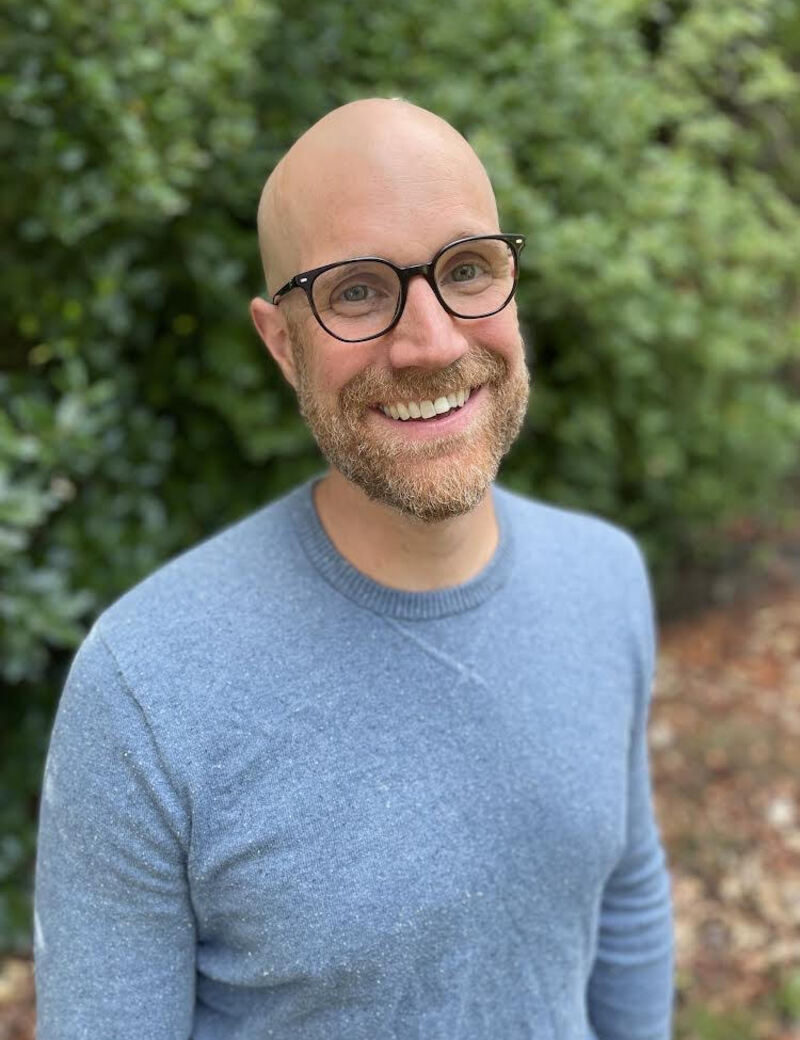
Benjamin Fedewa
Physical Therapy
Ben has spent the last decade working to provide high-level orthopedic care to the Bay Area community. He is Board Certified in Orthopedics (OCS) and shares Dan’s dedication to a patient-centered model that prioritizes service, excellence, and tangible outcomes. Ben’s clinical expertise is rooted in a deep understanding of musculoskeletal health, and he is particularly passionate about operating in an environment where care is dictated by the patient’s needs rather than the constraints of the insurance system.
Ben’s approach to therapy is informed by his own active lifestyle; he is a dedicated basketball player, runner, and weightlifter. Ben specializes in working with weightlifters, fitness enthusiasts, runners, throwers, and post operative ACL, achilles, hip, shoulder, lumbar and cervical spine patients. His personal connection to sport allows him to empathize with the challenges of injury and the drive to return to peak performance. When he isn’t in the clinic, Ben enjoys hiking, running, weightlifting and exploring the national parks with his family. He is excited to officially partner with Dan at OSO Physical Therapy, reuniting a professional team dedicated to providing the most effective sports and orthopedic care in the region.
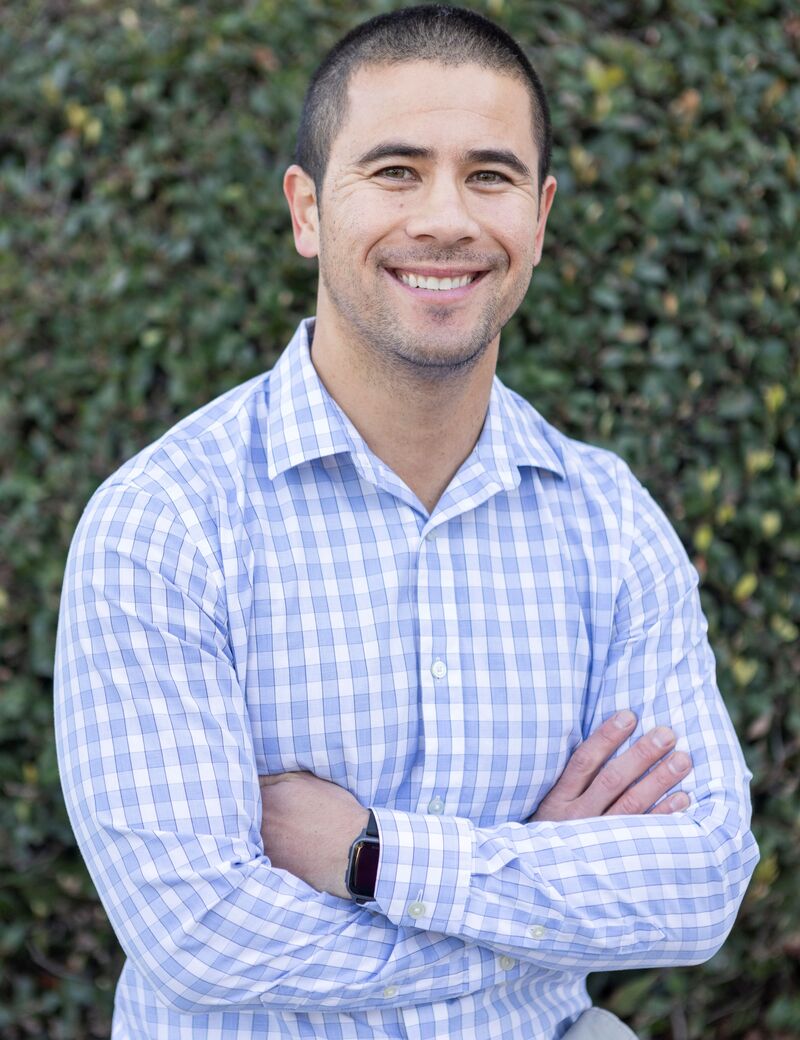
Dan Hirai
Physical Therapy
An Alameda resident, Dan has been serving the East Bay as a Physical Therapist for the last 10 years, treating a diverse clientele and working closely with the area’s most preeminent orthopedic surgeons and sports medicine physicians. He is Board Certified in Orthopedics (2018), and has also performed extensive additional training in manual therapy, functional movement patterns, and exercise progression. Having gone through multiple surgeries and ensuing rehab processes himself, Dan recognizes just how crucial the relationship between surgeon, patient, and therapist is. His goal as founder of OSO Physical Therapy is to create the optimal treatment environment for patients: with an emphasis on collaborative multidisciplinary care performed outside of the confines of the insurance system.
In his free time Dan enjoys spending time with his wife and young twins, coaching soccer and basketball, running, surfing, and all things San Francisco 49ers, Giants, and Sacramento Kings related.
OSO Physical Therapy PC
1726 Clement Ave,Alameda, CA
94501-1205
dan.hirai@osophysicaltherapy.com
View Staff & Treatments